

In preparation for a webinar I gave last Thursday for SAIS, “High Potential: Developing High Potential Leadership Teams,” I kept noticing intersections among different threads of my work for both EXPLO Elevate and The Purpose Project.
At EXPLO Elevate, I work with a wide array of leadership teams. This year alone, I have worked with teams in Zurich, Beijing, Berkeley, Boston, Knoxville, and more. Despite the geographic distances and specific school profiles that distinguish them, they share some general characteristics:
Strengths:
- Earnest commitment to the mission and values of the school.
- High talent, impressive experience.
- Operational leadership strengths.
- Collegiality.
- Kind, ethically centered educators.
Growth Areas:
- Uncertainty regarding how best to create successful meetings together.
- A need for more (and more useful) time together.
- A desire for clear evidence of individual and team success.
- Evolving levels of transparency between departments/divisions.
- Feelings of vulnerability and uncertainty as strategic leaders.
Each team I have worked with over the last year is impressive and has good reason to be proud of its work. Yet, as is the case with all leadership teams, the context in which schools must now excel demands ever-higher performance. The thread that connects EXPLO Elevate’s work with the Purpose Project begins where leadership teams should also begin their work going forward. (see Figures 1 and 2).
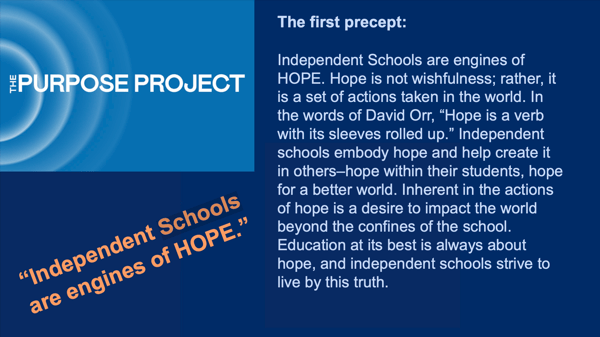
Figure 1: The first precept of The Independent School Purpose Project
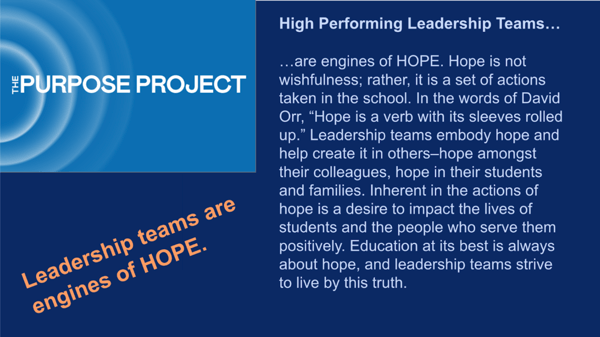
Figure 2: The first precept refocused for school leadership teams
In these slides, note that Figure 1 is the first of six precepts of the Independent School Purpose Project. It is first for a reason. Hope is a virtue that sets the stage for the other virtues. Additionally, education is inherently a cultural and communal expression of hope. The set of actions a leadership team undertakes then must be unambiguously grounded in hope. Specifically, the leadership team's actions should grow from the hope that the school can impact students' lives in line with its purpose and mission.
Figure 2 is an adaptation of the first precept for leadership teams. The intention of tailoring the first precept to fit teams this way is to zero in on the larger purpose of any leadership team’s work. In my work with EXPLO Elevate’s clients, we often identify areas where schools risk purpose, mission, or strategic drift. By holding tightly to what Brett Jacobsen called “mantras” during the webinar, teams can stave off drift in critical areas of their work.
Indeed, team drift is a dangerous vulnerability for all school teams. Even with the best intentions, drift happens for many reasons, including:
- Short meetings that are limited to procedural topics.
- The time that should be allocated to strategy creation or strategic execution gets swallowed by issues of the day.
- Difficulty getting into strategic focus because the rhythm of a school day interferes, or means some members of the team are absent, arrive late, or leave early.
- Leadership teams are professionally underdeveloped to navigate complex strategic topics.
Because teams must truly value and strive to stay focused on their most essential work, drift is an enemy. It is sneaky, and it mutes the best intentions inch by inch, ineffective meeting after ineffective meeting. It takes over when leaders get so busy with the business of school that they neglect why they are there in the first place.
In the webinar, I described 10 characteristics of high-performing teams (See Figure 3). Take a look at the deck or, better yet, watch the webinar when you have a chance. After naming what I thought were the 10 characteristics, I challenged myself to name the “One” characteristic of a high-performing team. Figure 4 is my answer. I’d love to hear how you would answer that question: If you have to name the one characteristic all high-performing teams must share, what is it? Let me know: rpeters@explo.org.
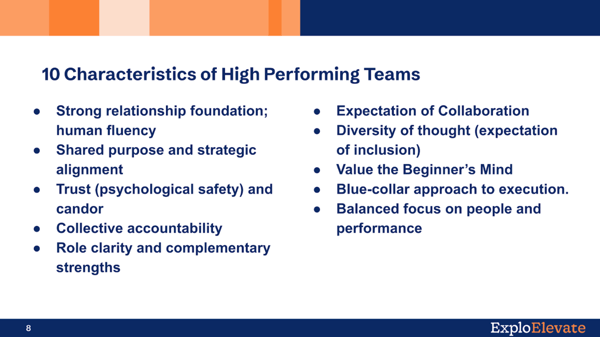
Figure 3: The 10 Characteristics of High Performing Teams
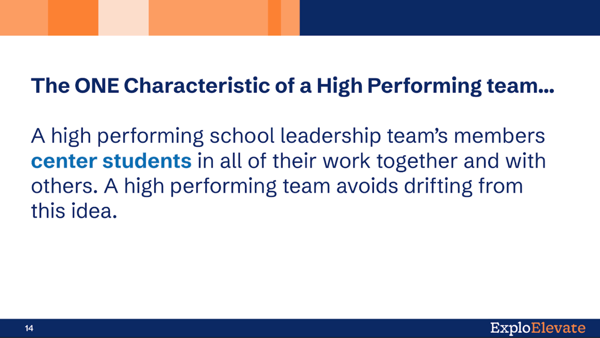
Figure 4: The One Characteristic of a High Performing Team